 Cover Story
Activating Greatness
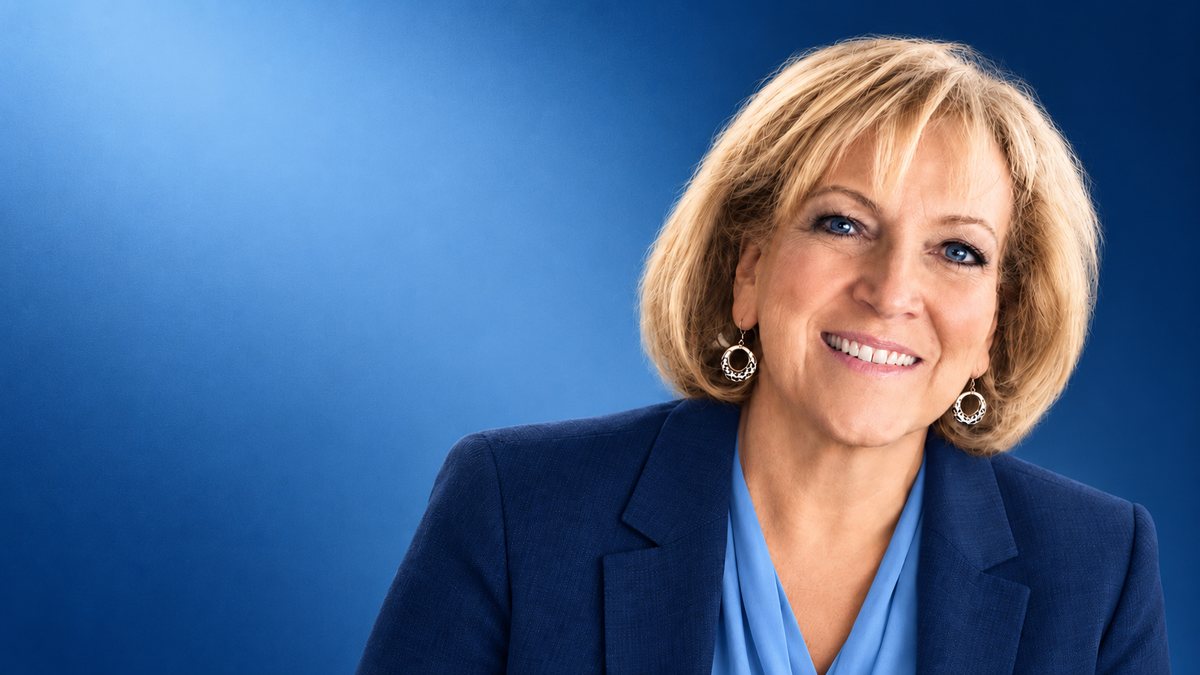
A former member of the Cabinet of the Governor of Colorado, Dr. Angie Paccione builds the cover talk on a refusal to manage around people's potential. The Deconstruction takes it apart move by move.

The Cover Story: Dr. Angie Paccione, deconstructed
Ron Lynch and the storytelling that sells

Open calls and event listings, in front of the roster.
Roundtables and studio interviews with the people who book, and the people who get booked.
Your first update arrives with the next issue. Until then, the founding issue is open.
READ THE FOUNDING ISSUEJoin The Signature Talk Directory, the paid directory that puts your full booking profile in front of the planners in the Speaker Leads Hub. The magazine is earned. The Directory is where you are found.
SEE THE DIRECTORYIdeas. Influence. The business of the stage, examined one talk at a time.
Every feature in The Signature Talk starts from the question a planner asks: what will this talk do for my room? The founding issue opens with Dr. Angie Paccione's Activating Greatness, deconstructed piece by piece, and puts Ron Lynch on the cover: the storyteller who turned direct-response discipline into two billion dollars of product sales.
The Cover Story: Dr. Angie Paccione, deconstructed
Ron Lynch and the storytelling that sells
Cover StoryA former member of the Cabinet of the Governor of Colorado, Dr. Angie Paccione builds the cover talk on a refusal to manage around people's potential. The Deconstruction takes it apart move by move.
Behind the TalkMore than $2 billion in consumer products, roughly 30 brands, and a story discipline learned where a story lives or dies by whether the phone rings. The cover feature goes behind the talk.
 One-Sheet Autopsy
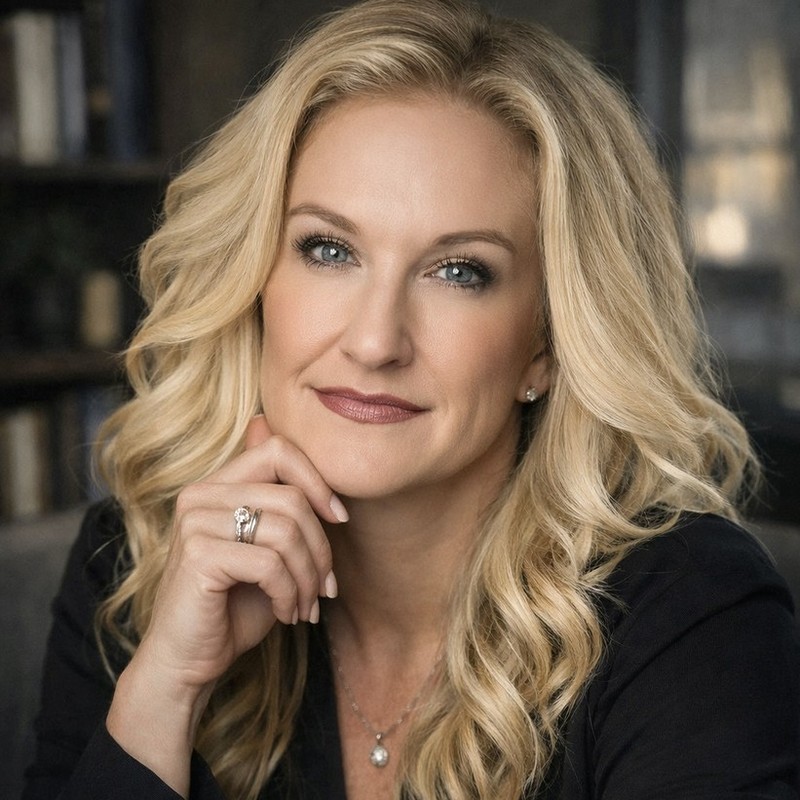
HR leaders absorb every disruption first. Melissa Aarskaug's framework answers with a security mindset: exposure, layers, signals, response. Her one-sheet gets the autopsy.
 Event Playbook
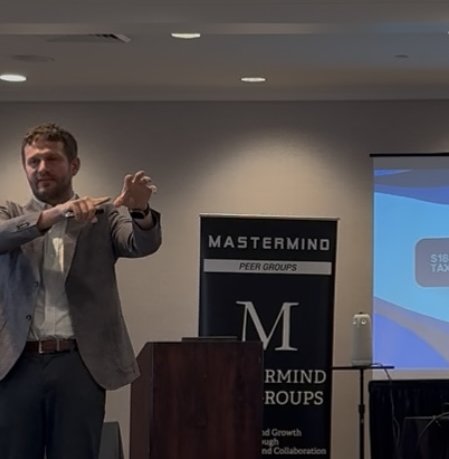
Justin Maxwell tells owners the income they built is not the asset they think it is. The playbook shows planners how to program the talk, and what to send the room before and after.
 The Deconstruction
A bestselling author with over 25 years in leadership rooms, John Polish built a retention talk on three outcomes in order: stay, perform, thrive. The Deconstruction reads the architecture.
 Behind the Talk
A licensed commercial pilot prepares a keynote the way he flies: checklist first, altitude always. Behind the talk with Bobby Dutton, where rehearsal is simulator time.
The Cover Story: Dr. Angie Paccione, deconstructed
Ron Lynch and the storytelling that sells
Most speaker magazines sell the spotlight. This one studies it. The Signature Talk exists for the people who decide what happens on stage: planners, organizers, and the speakers serious enough to earn their attention.
Every feature in this magazine starts from the same question a planner asks: what will this talk do for my room? We examine the talk itself, the problem it solves, the pillars that carry it, and the story that earned the speaker the right to teach it.
Coverage here is earned, never sold. Read the founding issue, then tell us which talk your room needs next.
Greatness is not a trait. It is a decision, made on purpose.
The architecture: Read the way a planner reads it, Activating Greatness is built in three moves. It opens with the power of potential, her argument that the capacity in the room is almost never the constraint. It turns on activation: leadership as the switch between insight and assignment. And it lands on recalibration, the discipline of adjusting performance before drift becomes decline.
The authority: Dr. Paccione is a former member of the Cabinet of the Governor of Colorado, an executive facilitator, and a leadership expert who addresses corporate executives, educators and school leaders, entrepreneurs, government leaders, and mission-driven organizations.
The transformation: A room that arrived managing around its people's potential leaves recalibrating its performance around it. That is what the talk is for, and it is why it opens this issue.
Every cover story in The Signature Talk carries this brief, written for the person holding the agenda: audience fit, format, and the proof to request before you book.
Booking enquiries for talks featured in this issue: hello@speakerrealm.com · (602) 584-1770. Full booking profiles live in The Signature Talk Directory.
The preparation: Lynch learned story under the harshest editor in media: the direct-response clock. As a partner at Cesari Direct Television from 2007 to 2012, his stories lived or died by whether the phone rang. A story that wandered was not art. It was inventory.
The workflow: A hook that makes a promise. A demonstration that proves it. An offer the audience can act on. It is the structure behind his talk The Infomercial Was Never About the Product, and behind more than $2 billion in consumer product sales across roughly 30 brands, from GoPro and Samsung to OxiClean.
Attention is rented. Story is what pays the rent.
The rehearsal: It shows his other training. He is a Screen Actors Guild actor who worked under Robert Altman. Takes, marks, timing. By the time a Lynch story reaches a stage, it has survived more cuts than most talks ever face.
The bio: Fifteen years across casino gaming, technology, cybersecurity, and business growth, and founder of The Executive Connect Ecosystem. Range, stated once, with receipts.
The talk: A leadership framework built on a security mindset rather than a cybersecurity lecture: understand exposure, build layers, detect signals, respond fast, and learn.
The objectives: A planner can lift them straight into a program: map where your people are exposed, build defenses in layers, detect the signals early, respond fast, and close the loop by learning.
The assets: A signature method with a name, See It. Solve It. Move It.™, and a positioning line a committee can repeat: Zero Trust for the AI-Powered Expert.
Verdict: a one-sheet that answers the committee's questions before they are asked.
The talk: Maxwell tells business owners something their advisors won't: the income you've built isn't the asset you think it is. The talk maps the road from a business that pays its owner to wealth that outlives its owner.
Adapt it: For founder audiences, lead with the asset question. For finance audiences, weight the second half: valuations, tax planning, and exit design. For leadership rooms, frame it as building something transferable.
Program design: Keynote first, then a working segment: owners list what in their business would survive them, and what would not. The room does the math in public.
Before and after: Send one question in advance: if your business stopped paying you tomorrow, what would it still be worth? Follow with the valuation and legacy checklist while the answer is still uncomfortable.
The architecture: Three words long, and they are the program's own outcomes: stay, perform, thrive. Polish argues the order is the argument. Get people to want to stay, and performance stops being a management problem. Get both, and thriving is what the workplace is for.
It is an unfashionable premise in an industry that sells retention as software and surveys. Polish is a bestselling author and leadership expert with over 25 years of experience, and his program, Happy People Don't Quit, is acclaimed precisely because it refuses to start with the exit interview.
Retention is not a program. It is a byproduct.
The transformation: Leaders leave auditing their own workplace the way their best people already do, and building the kind of place people want to stay, perform, and thrive. His bio's words, and the talk's whole design.
The preparation: Dutton is a licensed commercial pilot and entrepreneur, and his preparation starts where a flight does: with a checklist, run the same way every time, so that nothing about delivery depends on the day he is having.
The rehearsal: In his world, rehearsal is simulator time. His documented subjects are decisions: decision-making under pressure, crisis decision-making, leadership when the panel lights up. He practices the talk under load, so the room never has to watch him improvise his composure.
Altitude is a decision you make before the weather arrives.
The talk: Think Like a Pilot: Rise Above Stress and Busyness runs the same system in the room: climb above the noise, read the instruments that matter, and prioritize happiness, systematically.
 Roundtable
Four planners, one honest hour: the follow-up emails that get answered, the ones that get deleted, and what a great post-event debrief looks like.
Studio InterviewInside Sterling Stages: how a ten-minute studio interview becomes the clip a planner watches before anyone gets a call back.
 From the Publisher
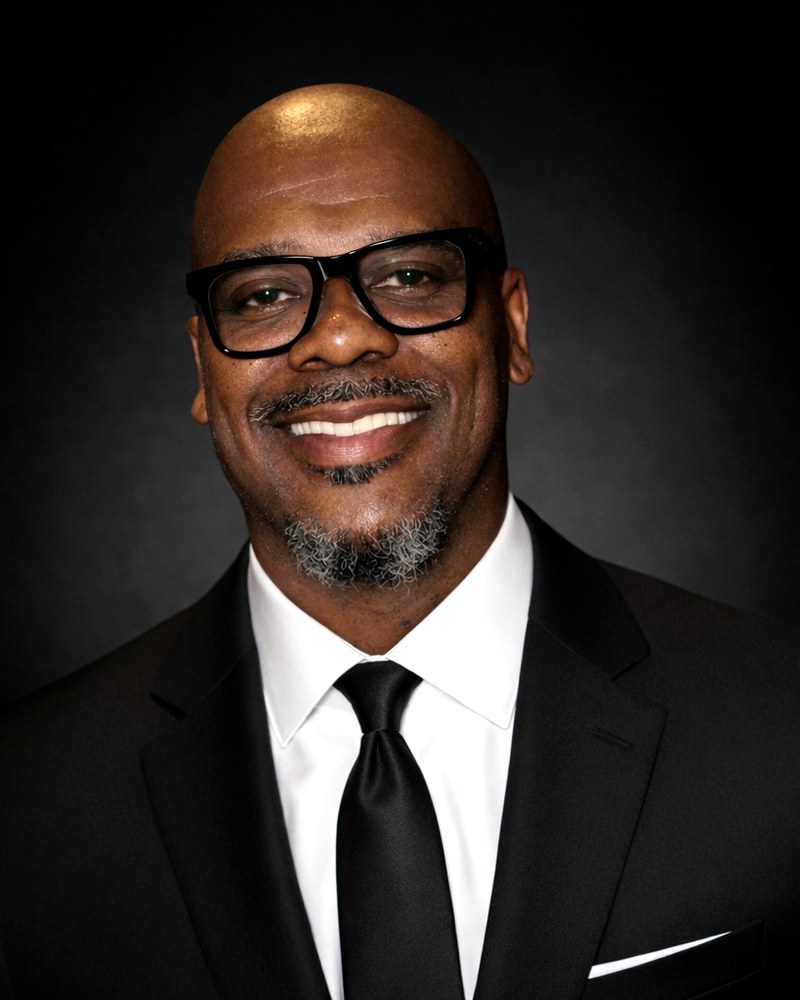
Terrence M. Higgs on the founding idea behind the magazine: most speakers already hold more influence than they know, and the stage is where it gets governed.
Every talk in the Library is here on merit: a real talk, professional materials, a watchable film, produced through Sterling Stages. Inclusion in the paid Directory can be bought. A place in the Library cannot.
The booking directory behind the magazine. Subscribers receive full profiles, fee bands, one-sheets and talk films for every speaker listed, and every send to a planner is logged. The founding roster below is seeded with the represented speakers of RealmAgency. What shows here is the public teaser; the full profiles live with subscribers.
Directory membership runs $595 a year Standard and $995 Premium, behind the same vetting floor as everything at The Signature Talk: a real talk, professional materials, watchable video. Inclusion can be bought. Distinction cannot.
A signature talk has parts: a problem the room already feels, pillars that carry the teaching, and an origin story that earns the right to teach it. Build the system and the talk survives any room.
Planners told us what actually moves a booking decision in 2026: ninety seconds of real footage in a real room beats ten pages of biography, every time.
The first booking is an event. The second one is a business. What separates speakers who get rebooked from speakers who get remembered fondly.
The United States Distance Learning Association is accepting session proposals for its 2027 conference, with concurrent sessions and virtual presentations both in scope.
Washington's SHRM state conference closes speaker submissions on October 23, with breakout honorariums in the published terms.
North Carolinians for Home Education is reviewing workshop proposals for the 2027 Thrive! conference in Winston-Salem, with selections announced in late January.
Annual-meeting call windows keep moving up the calendar. Speakers who wait for a deadline announcement are arriving after the agenda is half built.
Put your conference and your open call for speakers in front of a working roster of professional speakers. Event listings run in Industry News and in the issue your speakers are already reading.
LIST YOUR EVENTDisplay ads run inside the flipbook issue, beside the articles, and in the Top Talks brief that goes to chambers, SHRM chapters, and planner inboxes every month.
GET THE MEDIA KITBooking enquiries: hello@speakerrealm.com · (602) 584-1770. The full booking profile lives in the SpeakerRealm Directory.